ZettaJouleGet in Touch
☰

PoweringtheWorld

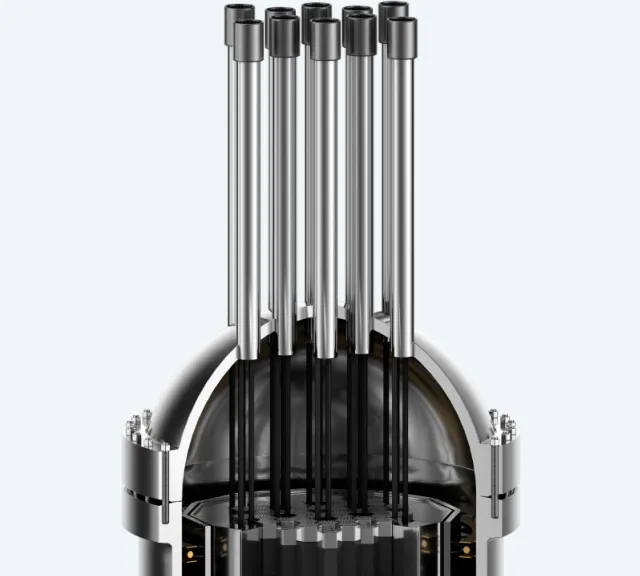
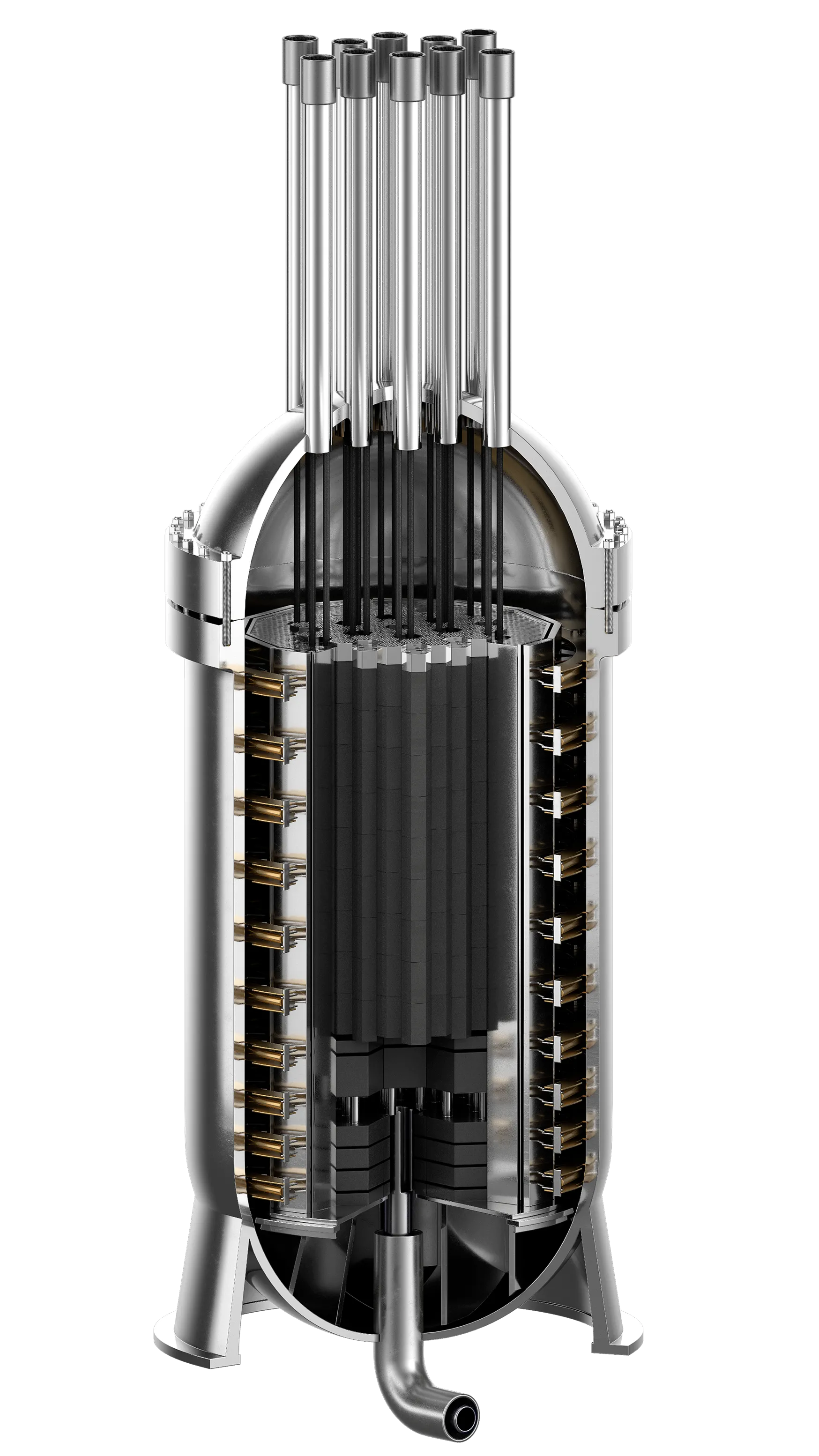
Cutaway of the ZettaJoule reactor

Clean Heat and Electricity
to Power a World of
Industrial Applications

The Name Reflects our Mission

Projections by the U.S. Department of Energy show that annual global energy demand by the year 2050 will reach one billion times one trillion (zetta) units of energy (joules).

↳Discover Our Story

Our name, ZettaJoule, reflects our commitment to being part of the solution for meeting this tremendous need by providing clean, reliable heat and power.

A city at night

Our name, ZettaJoule, reflects our commitment to being part of the solution for meeting this tremendous need by providing clean, reliable heat and power.

ZettaJoule
\ ˈze-tə-ˌjül \

One zettajoule equals 10²¹ joules, or one billion trillion joules.

Modernizing
Proven Technology

Established reactor technology, modernized for industrial heat up to 950 °C.

↳Explore Our Technology
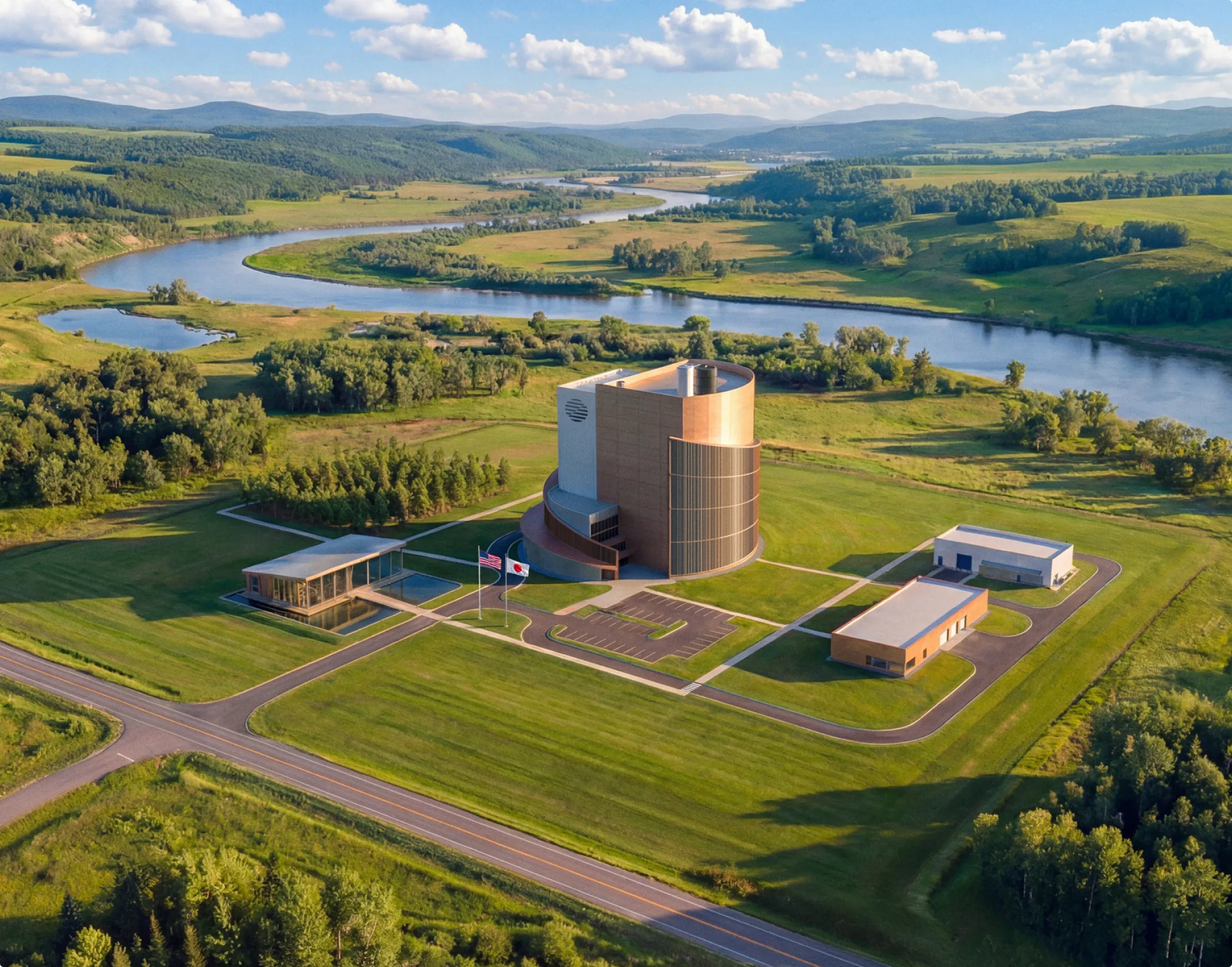
ZettaJoule’s proposed energy campus beside a river
● Design Meets Resilience

A contemporary energy campus designed to sit thoughtfully within its surroundings.

Intelligent Systems

Digital systems support a new generation of industrial energy.

Reactor assemblyZJ REACTOR
REACTOR TYPE
HTGR
GENERATING CAPACITY
30 MWTH
HEAT OUTPUT
UP TO 950 °C

Heat

High-temperature process heat for industry.
Heat & Power

Combined heat and electricity.

Hydrogen

Heat for efficient hydrogen production.

Electricity

Reliable power, around the clock.

Unmatched
Heat Capabilities

High-temperature heat opens up a wider range of industrial applications.
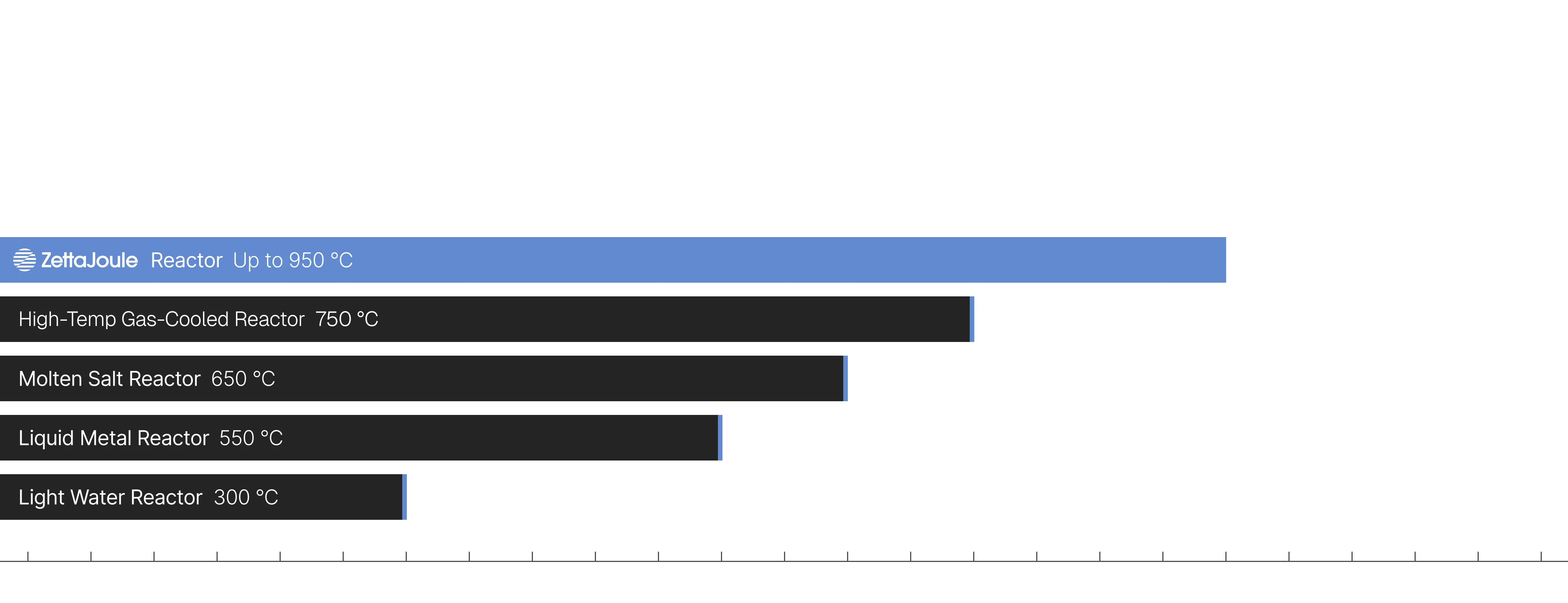
Operating temperature comparison of reactor technologiesCities & Infrastructure temperature requirements

How it moves

Independent recreation · public Jumi syntax + native CSS.

Hero entrance
animate-opacity-[0:0|100:1] animate-translate-[0:0_36px|100:0_0] animation-duration-[1400ms] animation-timing-function-ease-out animation-fill-mode-both

Document time. Opacity and translation settle together. The tiled curtain is an independent scale-X phrase with small per-tile delays. Exact load timing is an approximation. The whole scale property is used because the current scale-x phrase drops its keyframe values; see the conformance audit.

Section entrance
data-[entered=true]:animate-opacity-[0:0|100:1] data-[entered=true]:animate-clip-path-[0:inset(0_100%_0_0)|100:inset(0_0%_0_0)] animation-duration-[1000ms] animation-timing-function-ease-out animation-fill-mode-both

The reference text continues revealing after scrolling stops. IntersectionObserver only sets entered=true; Jumi owns the ensuing document-time opacity and clipping. The simplified block wipe does not reproduce the original character-by-character staggering.

Mission media
animate-clip-path-[0:inset(0_15%_0_35%)|100:inset(0_0%_0_0%)] animation-timeline-[--mission] animation-range-[entry_70%_contain_70%] animation-timing-function-linear animation-fill-mode-both

The clip opens around the original footage. The video renders its own recorded motion; Jumi controls only the surrounding reveal.

Reactor sequence
animate-opacity-[0:0|100:1]/frames animation-timeline-[--reactor]/frames animation-range-[contain_0%_contain_100%]/frames animation-timing-function-linear/frames animation-fill-mode-both/frames

Motion driver: Jumi / CSS scroll timeline. Progress choreography: Jumi. Frame rendering: a small canvas media bridge reading this element’s animated opacity as a normalized scalar. Discrete media decoding is outside Jumi’s CSS property model.

Reactor annotations
animate-opacity-[0:0|100:1]/reveal animation-timeline-[--reactor]/reveal animation-range-[contain_30%_contain_60%]/reveal animation-timing-function-linear/reveal animation-fill-mode-both/reveal

A separate named reveal shares the reactor driver, placed later in its contain range. CSS position: sticky pins the composition.

Honest boundaries

The original desktop reactor is rendered imagery. Jumi supplies an animated 0-1 scalar; a media bridge selects and paints a frame. No scroll listener, JavaScript easing, or Jumi internals are involved.

Mobile uses the source site’s static reactor. Reduced motion disables entrances and footage while keeping content visible. Native CSS owns layout, clipping containers, sticky positioning and responsive rules.